
From Dog Kennel to Chicken Mansion: Building a Texas-Tough, Low-Maintenance Coop for Long-Term Food Security

In a world where supply chains can shift overnight, every reliable source of protein matters. On Episode 492 of The Changing Earth Podcast, we walk you through the complete story of our dual chicken coop system — built from practical, affordable materials and refined through real-world Texas challenges. Whether you’re just starting with a small backyard flock or scaling up for greater self-reliance, this design proves you don’t need expensive commercial coops to keep birds safe, productive, and easy to maintain.
We also cover the latest Changing Earth News from late March through April 2026, a month filled with flooding, tornadoes, seismic swarms, drought pressures, and other signals that our planet continues to change. As always, the message is clear: prepare for the worst and pray for the best.
Announcements
Before we dive into the coop build, a couple of exciting updates: Prepper Camp 2026 is right around the corner (August at the Tyron International Equestrian Center). This is the perfect hands-on environment to learn, connect, and build real skills alongside like-minded people. Season Five of The Changing Earth Audio Drama is now live with full video representations of every episode. If you’ve been following Erika Moore’s journey, these new videos bring the story to life in powerful new ways.

Our Chicken Coop Journey: From Simple Start to “Chicken Mansion”
We’ve raised chickens for decades, from basic barn setups in Michigan to creative predator-proofing in California. When we moved to Texas in 2020, we started fresh on a shoestring budget and an acre that felt more urban than rural. Year two, we knew we needed birds again. The eggs are superior, they turn scraps into fertilizer, and in uncertain times, they become a critical protein source.
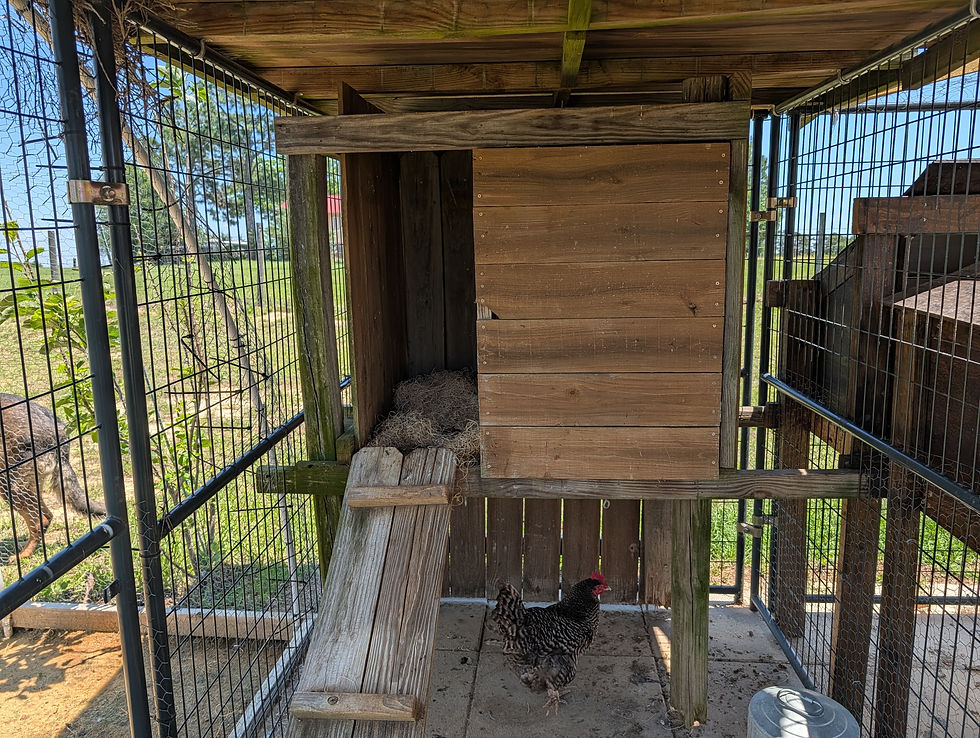
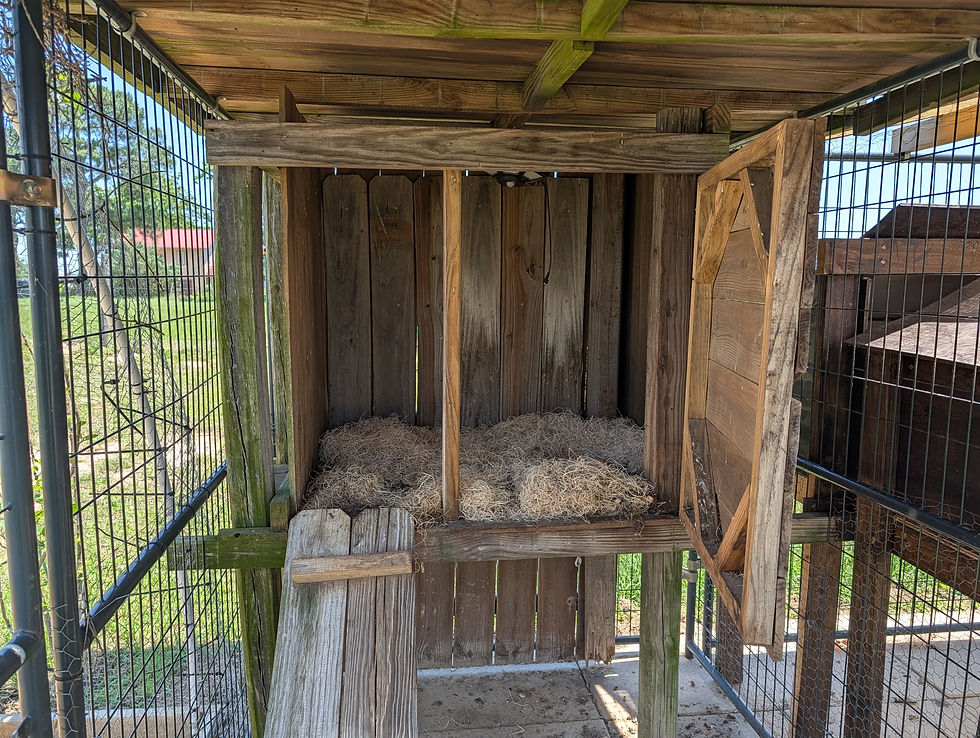
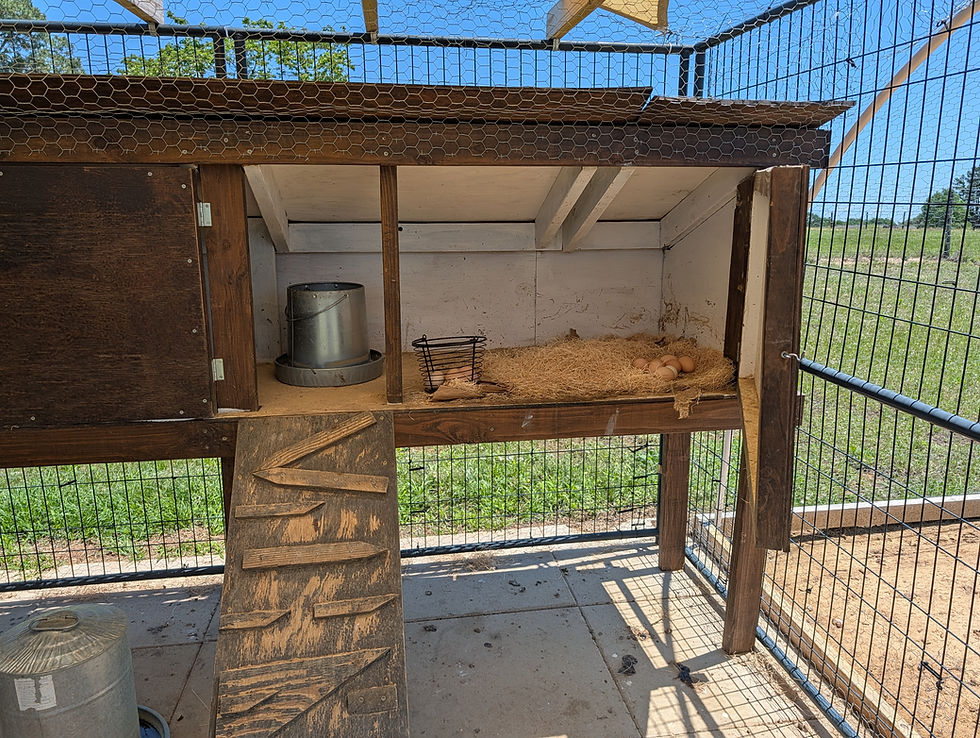
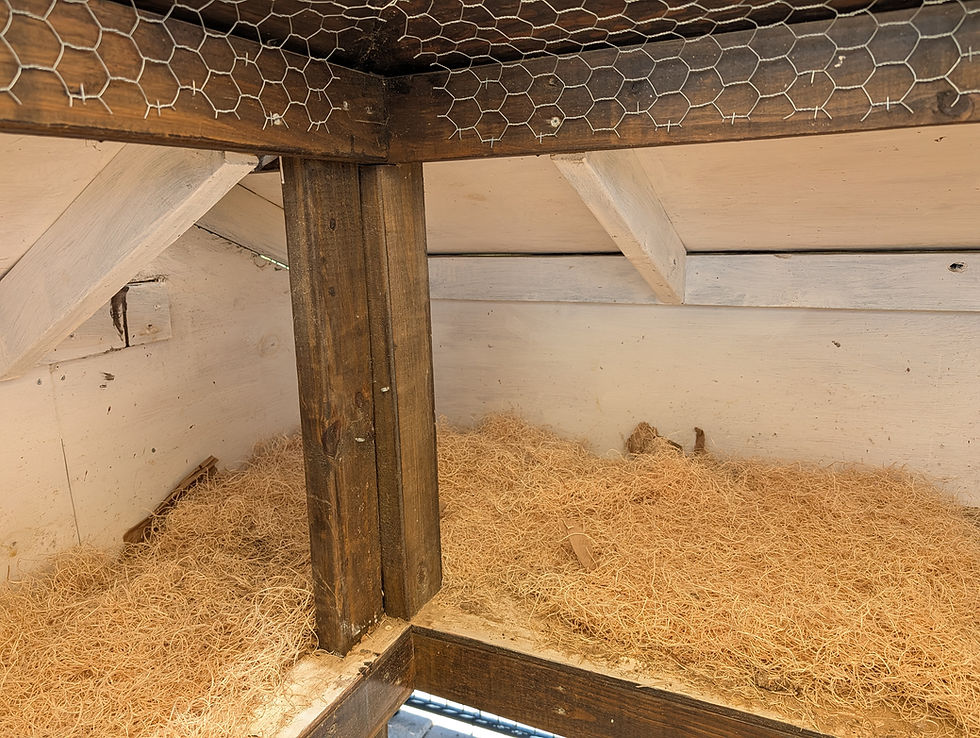
The Little Coop – Our Starting Point. We began with a standard heavy-duty dog kennel from Tractor Supply. The reasoning is simple: if it keeps big dogs in, it should keep predators out. We used salvaged wood from an old privacy fence to build the housing area and roof. No fancy nesting boxes — we’ve learned they’re mostly unnecessary. Chickens will lay whether you provide one or not. We use affordable nesting pads that the birds easily shape into comfortable spots.
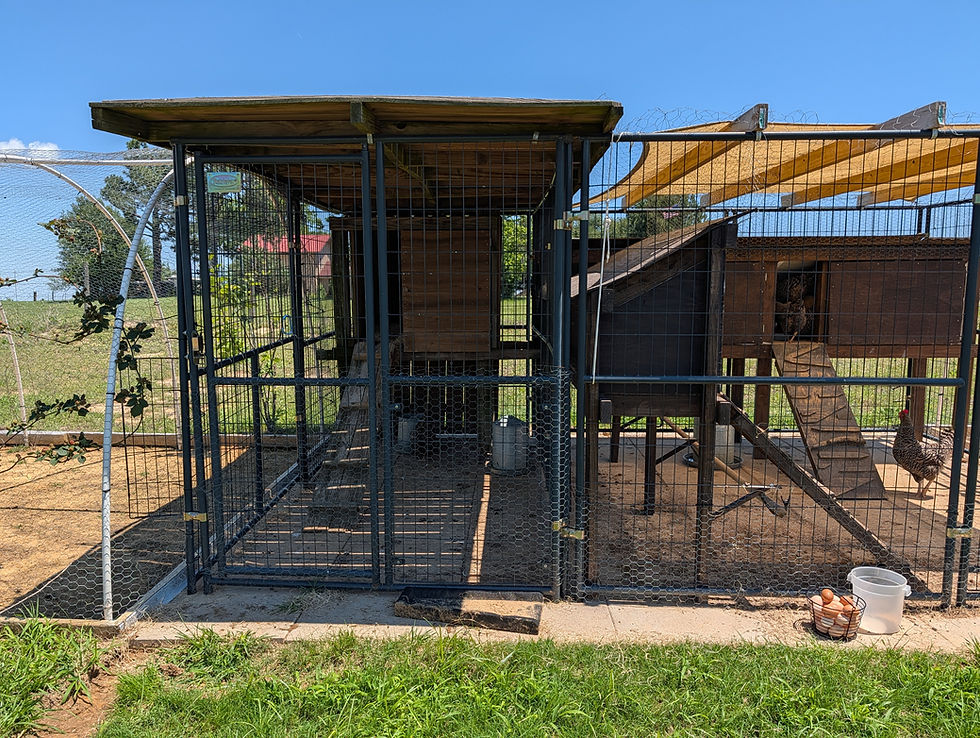
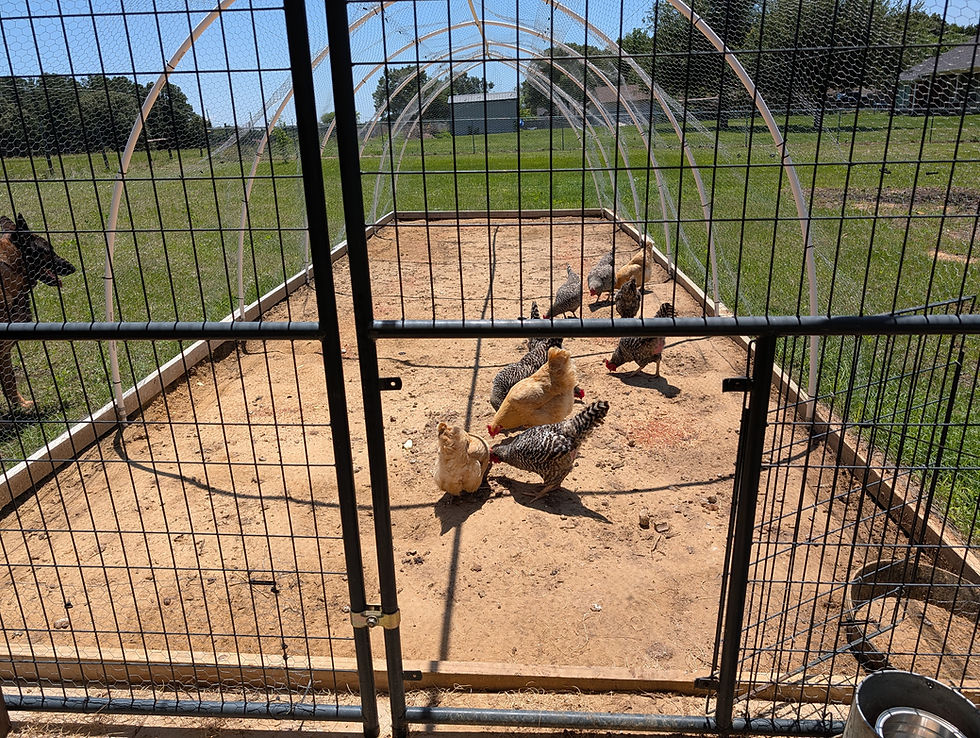
For the chicks, we chicken-wired the doorway and lower section of the kennel until they were big enough to roam safely. Once mature, we opened the built-in door panels to give them access to the run.
Texas Challenges We Faced
Mice: They tunnel under edges and pop up right at the feeder.
Fire Ants: Relentless. One of our favorite hens was found dead, covered in them.
Heat & Sun: Texas sun is brutal — birds stop laying and suffer stress above ~85°F.
Wind: We’ve watched empty dog kennels tumble across the yard in 90 mph gusts.
Cleaning & Maintenance: Traditional deep litter and wood shavings became a constant mess.
The Solutions That Made It Work We laid 2ft paver blocks under the main housing area. This was cheaper than pouring concrete, provides a solid easy-to-clean surface, and can be disassembled and moved if we ever relocate. Mice can no longer dig straight up to the feeder — they have to face the chickens. We hose everything down quickly, removing poop and discouraging ants, then apply food-grade diatomaceous earth (DE) inside and outside. The birds love dust-bathing in it, and it naturally protects against mites and bugs.

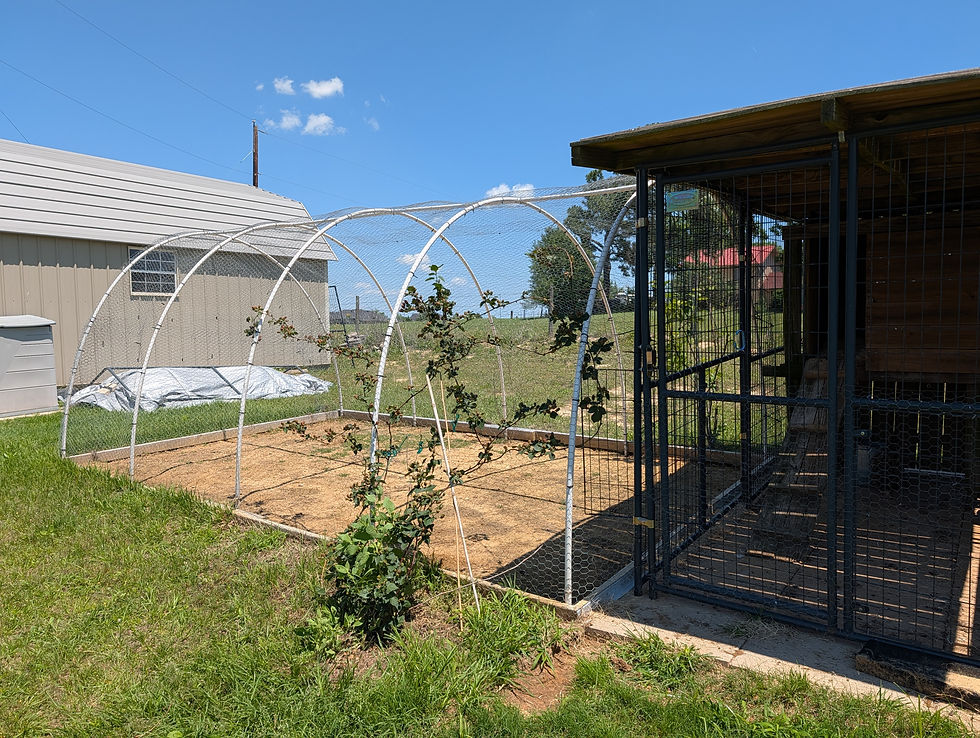
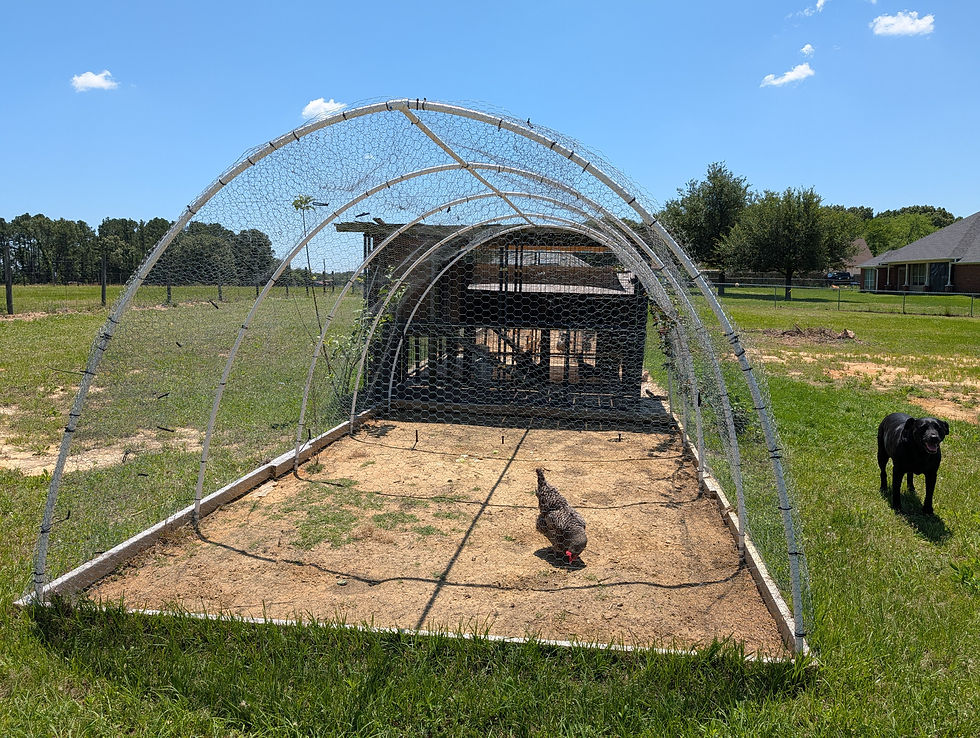
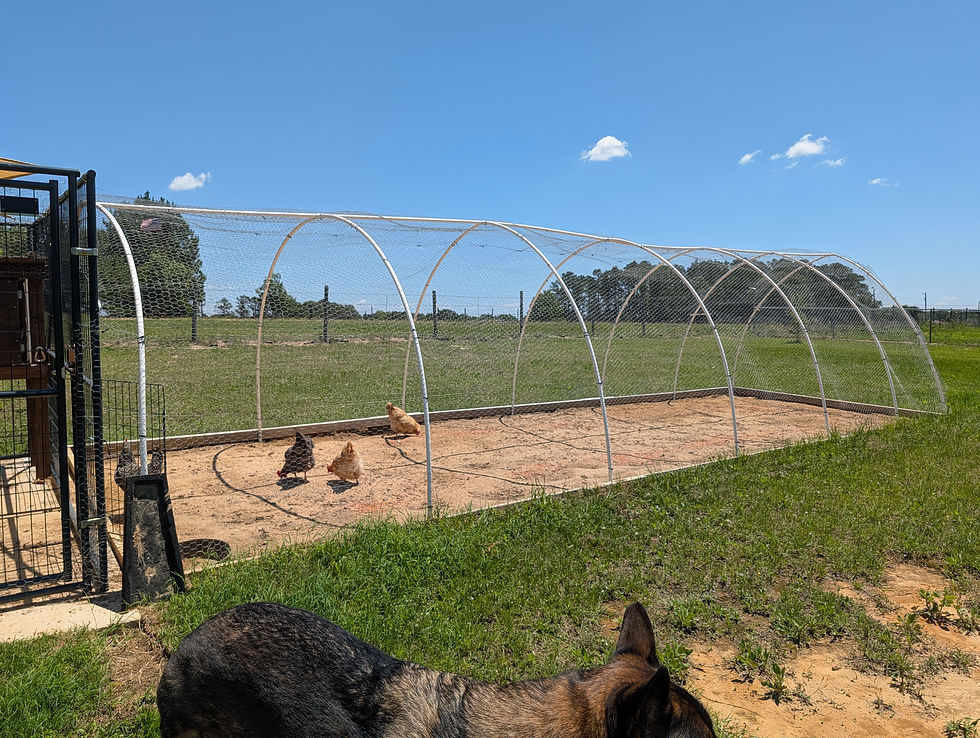
The run is simple but strong: treated 2x4 base, ¾-inch PVC pipes formed into “U” shapes and U-bolted to the wood, with T and + connectors at the top for stability. Chicken wire is run row by row — bottom stapled tight, upper rows zip-tied. We added a full wooden roof (also from salvaged fence) for shade and weight against wind.
Expanding to the Chicken Mansion
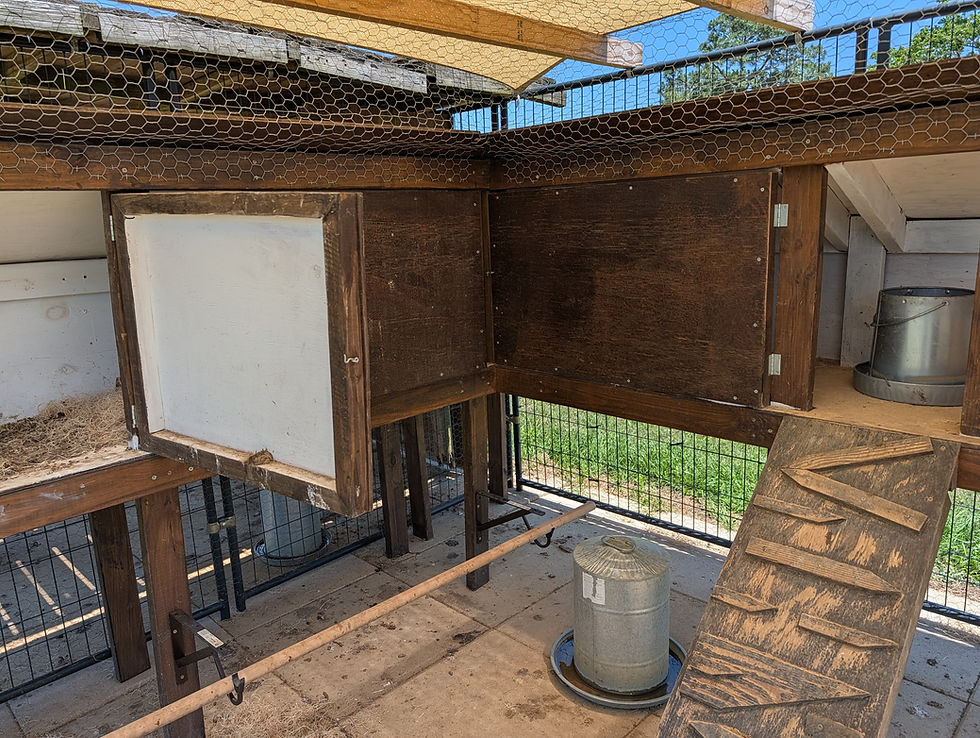
Once the small system proved itself, we doubled it. We used the common wall and added a second kennel to create the “Chicken Mansion.” This gave us room to store feed inside (protected from rain), plus double the run space. The entire front face opens for easy access and egg collection. We added wood rafters with chicken wire and shade cloth overhead, built sturdy ramps, and blocked off roof edges so birds use proper roosting bars inside.
Cleaning is now ridiculously simple: open the door, swipe everything into a bucket with a shovel — no bending, no deep litter hassle. Hose the paver blocks and direct the nutrient-rich runoff downhill to fertilize garden areas.

Survival Perspective: Why This Matters on a Changing Earth
In the Changing Earth series, characters learn the hard way that when grocery shelves empty and supply chains break, every egg and every bird becomes precious. Our real-world setup follows the same principle.
The Big Question: What happens when the feed store is gone? Start experimenting now:
Raise mealworms or black soldier fly larvae in stacked bins using kitchen scraps and wheat bran.
Sprout grains and fodder in trays (volume multiplies in days).
Grow extra squash, greens, and sunflowers specifically for the flock.
Design runs that allow natural foraging.
A small flock (4–10 birds) can provide 4–6 eggs per day once mature. Combined with our resilient coop design, you have a reliable protein source even during floods, storms, or supply disruptions.
Changing Earth News – Late March Through April 2026
April delivered a steady drumbeat of extremes:
Flooding dominated with deadly events in Kenya (108–112 deaths), Angola (45+), Dagestan, Haiti, Ecuador, and more.
Tornado Outbreaks shattered records with 262+ confirmed — including major outbreaks in the Upper Midwest and a violent EF4 in Oklahoma plus deadly EF2 activity in Texas.
Nevada Earthquake Swarms featured a shallow M5.7 and multiple M4+ clusters.
Drought & Hoover Dam concerns continue as Lake Mead drops, threatening power and irrigation.
Solar Activity included multiple CMEs and flares.
Volcanic unrest at Kīlauea and along the Ring of Fire.
Blizzards & Winter Weather impacted the Northeast and higher elevations in Hawaii alongside Kona storms.
Cyclones & Typhoons (Maila, Sinlaku, Vaianu) brought destructive winds across the Pacific.
These events reinforce why we focus on skills: secure food, water, and shelter systems that work when the grid or supply lines falter.
Final Thoughts
Our dog-kennel chicken coops aren’t fancy — they’re functional, movable, affordable, and built to last through Texas realities. Whether you have a suburban backyard or rural acreage, you can adapt this system to strengthen your family’s resilience.
Start small. Experiment with alternative feeds. Build skills while times are still relatively stable.
Prepare for the worst. Pray for the best.
Links:
We’d love to see your coop builds — drop photos in the comments or tag us on social media. Together we’re stronger.


Comments